Spanish countryside in Alicante, Spain

Consejos

Advice for Spanish Learners and Enthusiasts

How Will I Become Fluent in Spanish? One Student's Advice

Try to spend at least one hour per day learning Spanish. Mix it up — 15 minutes in the morning watching TV, 20 minutes online at some point during the day, talk to yourself in Spanish while driving in the car.

Study textbooks of increasing difficulty. The first book might be "Spanish for Dummies", then work up to intermediate textbooks.

Learn vocabulary like crazy. Learn the Spanish words for everything that you see in your life.

Translate anything that you see written in Spanish — brochures, signs in stores, labels and instructions on cartons and boxes.

Speak Spanish anytime that you can. If you don't always have someone to speak with, talk out loud to yourself.
Top 9 Online Resources for Learning Spanish

Listening activities through the University of Texas — one of the best resources available, providing videos of native speakers talking about various topics. Each topic has 6 native speakers, exposing students to different accents and vocabulary.

LingusTV — free dramatic videos with subtitles in Spanish for all levels. Funny and entertaining, providing an enjoyable way to strengthen listening skills.

Livemocha — a free website for learning various languages in a fun and interactive way, with plenty of opportunity for repetition.

Is a Native Teacher Best? The Native Speaker Debate

While teaching English in Argentina, Nikki was surprised about the number of students who were excited about having a native English-speaking teacher. At the same time, it was interesting how little their group of native English speakers knew about the rules and grammar of their own language.

Have you ever thought about how there are three different sounds for regular verbs in the past? The suffix -ed in "worked," "wanted," and "learned" are all different — and there's a reason why.

Some language institutes only hire native speakers, but does that really mean native speakers are better teachers? As a teacher of both English and Spanish, finding the right language teacher depends on more than just native status.

Tips for Passing the DELE

The Diploma de espanol como lengua extranjera (DELE) is the standard of Spanish competency tests, offered two to three times a year through the Cervantes Institute at testing sites in major cities throughout the world.

The test offers three levels — Inicial, Intermedio, and Superior — and provides a diploma credential for those who'd like to have something more on their resume than "conversational" or "fluent" in Spanish.

In the Spanish-speaking world, the DELE Superior is recognized as "native-like fluency" for jobs and school.

My 10 Favorite Spanish Words

Trabalenguas — literally "tongue obstacle" or tonguetwister. Tres tristes tigres trigan trigo en un trigal.

Paracaidas, paraguas, rompecabezas — compound words: the fall stopper (parachute), water stopper (umbrella), or head breaker (puzzle).

Esposas — wives or handcuffs. Seem machista? In English we have the old ball and chain...

Tranquilo (chill/mellow) does a great job of describing all types of things.

Estrenar, tutear — concise verbs meaning to use or show something for the first time and to use the familiar tu form.

Ojo — a great gesture (pointing to your eye) or verbal warning to watch out.

Learning Spanish Beyond the Classroom

The best way to learn a language is to immerse yourself in it. Whether that means living abroad, traveling, or taking advantage of exposure to Spanish in Denver, you will learn to speak and understand Spanish faster than studying in the classroom once a week.

The classroom gives you the structure you need to build a foundation, upon which you can explore the language and culture in its authentic setting.

Music, films, television, radio, learning CDs, media, and internet resources all keep you improving outside of class. Most importantly, speak with native speakers whenever you get the chance — they will appreciate your effort.

Learning Foreign Languages: Important for Success

Economist Tyler Cowen has proposed that learning foreign languages will be increasingly important for job-seekers around the world.

Rather than making the usual arguments about globalization and immigration, he points out that critical thinking, judgment, and empathy are increasingly important skills in a knowledge economy.

The best investment in your education is not technical, but general: learning to learn instead of learning to do something. Travel and learning a foreign language are among the best ways to gain international insight.

Practice Speaking Spanish with the Denver Spanish Meetup Group

The Denver Spanish Language Meetup group is a great opportunity to practice your Spanish in a social setting. Generally hosted at a member's house, events are usually bimonthly and are an informal gathering of all levels — beginner to native speakers — who are interested in practicing their Spanish.

Recommended Reading

Books to deepen your connection with the Spanish-speaking world

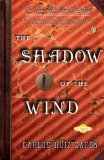
The Shadow of the Wind
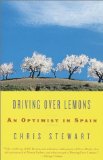
Driving Over Lemons
Miracle in the Andes
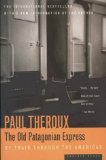
The Old Patagonian Express
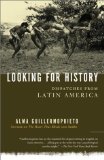
Dispatches from Latin America
Globalization and Its Discontents
The Geography of Bliss
The House of Paper

Para los ninos / For the Kids

Goodnight Moon in Spanish
Donde Viven los Monstruos
El Conejito Andarin
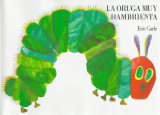
La Oruga Muy Hambrienta
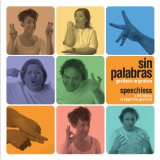
Sin Palabras